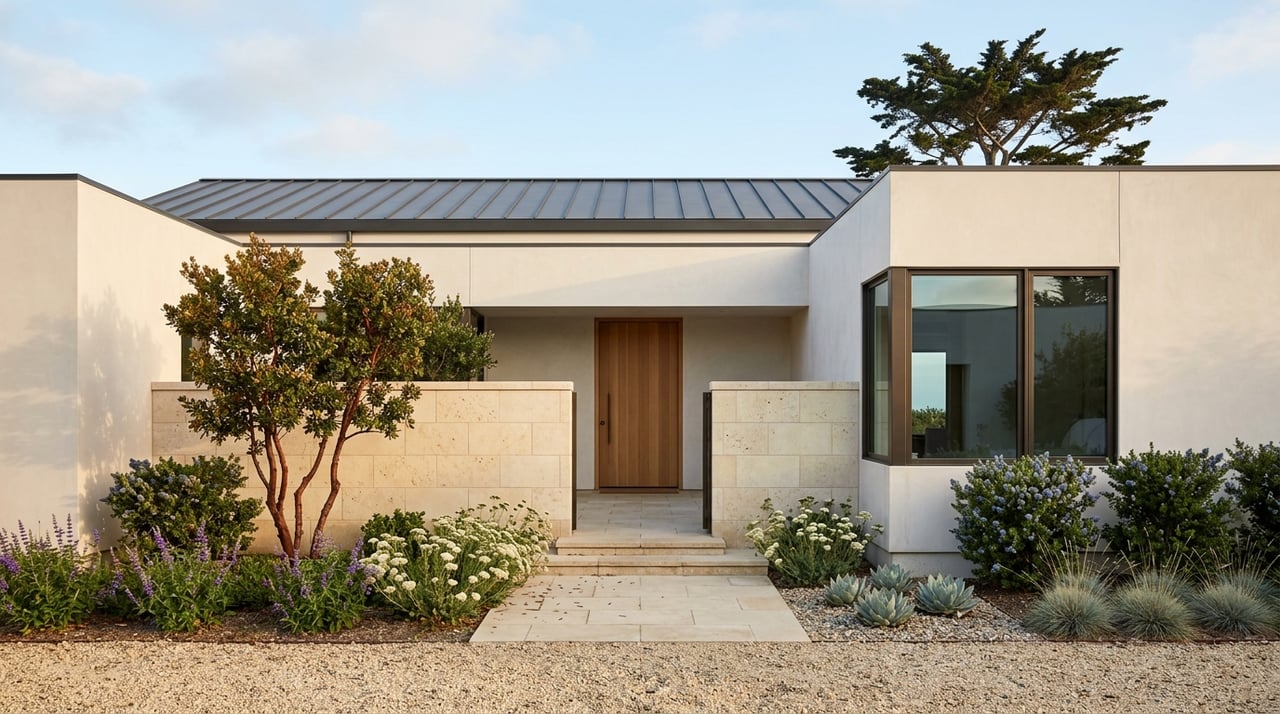
If you picture homeownership as more than square footage, Carmel Highlands stands out right away. This is the kind of place where the setting shapes daily life, from ocean views and steep coastal roads to a quieter, more legacy-oriented ownership experience. If you are wondering what it really feels like to own here, this guide will walk you through the lifestyle, the housing stock, and the practical realities that matter most before you buy. Let’s dive in.
Carmel Highlands feels private and scenic
Carmel Highlands is an unincorporated coastal community in Monterey County’s Carmel Area, south of Rio Road and west of Highway 1. It sits between dramatic natural features, with Point Lobos State Natural Reserve to the north and the Santa Lucia Mountains helping define the backdrop.
That setting is a big part of ownership here. Instead of a typical neighborhood feel, you get a more secluded, low-density coastal environment shaped by granite cliffs, ocean views, and winding roads. For many buyers, that is the appeal.
The area has a legacy feel
Carmel Highlands was developed as a residential enclave with artist-colony roots, not as a conventional suburban tract. Historical accounts note that the community was planned to work with the land rather than flatten or standardize it, and that early development dates back to the subdivision of the area in 1915.
You can still feel that history in the way the community lives today. Many properties are custom, many sites are distinctive, and some homes stay in the same hands for decades. Ownership here often feels less transactional and more generational.
Homes are shaped by the land
Lots tend to be larger and more complex
Monterey County describes Carmel Highlands-Riviera as the most rural of the Carmel-area residential enclaves. Parcels are generally about one-half to one acre, and the area is constrained by steep slopes and shallow soils.
That matters because your ownership experience is closely tied to the site itself. In Carmel Highlands, you are often buying the land, the privacy, the topography, and the view corridor just as much as the house.
Roads are narrow, steep, and winding
The county land use plan notes that internal roads in the area are narrow, steep, and winding. This is not the kind of place where every driveway, parking area, and guest arrival feels simple by default.
For full-time owners and part-time owners alike, road access becomes part of everyday planning. You may want to think carefully about ease of entry, deliveries, guest parking, and how the property functions in different weather or emergency conditions.
Architecture is custom, not cookie-cutter
One of the most distinctive parts of owning in Carmel Highlands is the variety in the homes themselves. The architectural mix across the Carmel area includes Arts-and-Crafts influences, California Ranch, Bay Region Modern, Postwar Modern, Wrightian Organic, Regional Expressionist, and Post-Adobe examples.
In simple terms, you should expect custom coastal homes with historic, modern, and contemporary influences rather than one dominant style. That gives the area visual character, but it also means every property deserves its own close review.
Ownership includes a shared coastal element
A unique part of Carmel Highlands ownership is that value here is not only tied to the home. The Carmel Highlands Association manages beach easements at Yankee Point and issues gate keys for resident enjoyment.
That adds a community-access layer that is unusual in many luxury markets. Depending on the property and your priorities, ownership can include not just privacy and views, but also a connection to shared coastal access that helps define the area’s identity.
The market is selective and supply is limited
Public market data for Carmel provides useful context, even though it is not a precise one-to-one measure for Carmel Highlands. As of March 2026, broader Carmel market figures show a median listing price of about $2.695 million, median days on market of 69, and a 97 percent sale-to-list ratio.
For Carmel Highlands specifically, the stronger takeaway is that inventory tends to be thin and premium. Available homes often emphasize ocean views, privacy, acreage, and site quality, which means buyers are usually comparing far more than finishes or bedroom count.
Many homes feel like legacy properties
Current and recent listings reinforce the idea that this is a legacy-property market. Some offerings are described as being available for the first time in decades, while others highlight panoramic ocean views, large parcels, and long-term privacy.
That pattern shapes how ownership feels. In Carmel Highlands, a home can represent a long-held retreat, a second-home escape, or a property intended to remain in a family for many years.
Daily life is more retreat-oriented
For many buyers, Carmel Highlands works best as a retreat-style ownership experience. You are close to Carmel-by-the-Sea and positioned along the Highway 1 corridor toward Big Sur, but the area itself is more secluded and less convenience-oriented than a typical city neighborhood.
That can be a major plus if you value quiet, scenery, and a sense of separation. It can also require a mindset shift if you are used to faster errands, flatter streets, and more predictable infrastructure.
Due diligence matters more here
Owning in Carmel Highlands can be deeply rewarding, but it also comes with more site-specific questions than many buyers expect. This is where careful guidance and early investigation make a real difference.
Permitting can be more involved
Monterey County says a Coastal Development Permit is required for many projects in the Coastal Zone. Design Approval also applies to exterior changes in Design Control areas, including parcels in the Carmel Coastal Land Use Plan area.
That means future plans like additions, decks, fences, or even some exterior color changes may involve more review than they would in an inland market. If you buy here, it helps to think of the property as part of a regulated coastal setting, not just a private parcel.
Septic and site engineering deserve close attention
The Carmel Area Land Use Plan notes chronic septic issues in Carmel Highlands because of steep slopes, shallow granitic soils, and design and maintenance factors. It also states that some undeveloped parcels may not meet environmental health standards.
Even if you are buying an improved property, this is not a detail to treat lightly. Early review of septic condition, site engineering, and any improvement limits can be critical to understanding the true ownership picture.
Wildfire planning is part of ownership
The Carmel Highlands Fire Protection District serves roughly 1,075 people across 9 square miles and provides fire protection and emergency paramedic medical services through a CAL FIRE contract. It also offers fuel-reduction and chipping support for residents.
County and state wildfire mapping factors include fuel, slope, fire weather, and wildfire modeling. Before you move forward on a purchase, it is wise to verify the parcel’s fire hazard designation, defensible-space requirements, and possible insurance implications.
Access and travel conditions matter
Road access is not just a lifestyle feature here. It is also a planning issue. Narrow, steep internal roads and the possibility of slide-related disruptions along the broader Highway 1 corridor can affect everything from guest access to evacuation considerations.
If you plan to use the home part-time, these details become even more important. It is smart to understand how the property functions during peak travel periods, maintenance events, or changing road conditions.
Who tends to love owning here
Carmel Highlands often appeals to buyers who want privacy, dramatic scenery, and a strong sense of place. It can be especially attractive if you are looking for a second home, a long-term retreat, or a coastal property that feels distinct from a standard luxury neighborhood.
The best fit is usually someone who appreciates that ownership here is highly site-specific. You are not just choosing a home. You are choosing a stretch of coastline, a topographic setting, and a more hands-on approach to property evaluation.
What ownership really feels like
In everyday terms, owning a home in Carmel Highlands feels peaceful, scenic, and deeply tied to the landscape. It can also feel more complex than ownership in a flatter, more standardized neighborhood because the land, access, permitting, septic conditions, and wildfire planning all matter in a bigger way.
That mix is exactly why the area stands out. For the right buyer, Carmel Highlands offers a rare combination of privacy, coastal drama, architectural character, and long-term appeal that is hard to duplicate elsewhere.
If you are weighing a coastal purchase and want a thoughtful, high-touch approach to evaluating complex properties, San Diego's Favorite Team is here to help you think strategically and move with confidence.
FAQs
What is Carmel Highlands like for everyday homeownership?
- Carmel Highlands ownership tends to feel private, scenic, and retreat-oriented, with daily life shaped by ocean views, low-density surroundings, and more site-specific property considerations than a typical neighborhood.
What kinds of homes are common in Carmel Highlands?
- Carmel Highlands is known for custom coastal homes with historic, modern, and contemporary influences, often on larger parcels that emphasize privacy, views, and the natural setting.
What should buyers verify before buying a home in Carmel Highlands?
- Buyers should closely review permitting requirements, septic and site conditions, wildfire considerations, road access, and any property-specific constraints tied to the coastal setting.
What makes the Carmel Highlands market different from other luxury areas?
- The market is typically thin and selective, with limited inventory, larger and more complex sites, and many homes that trade more like legacy properties than standard resale listings.
Is Carmel Highlands a good fit for second-home buyers?
- It can be a strong fit for second-home buyers who value seclusion, scenery, and long-term appeal, and who are comfortable with the added due diligence that comes with a coastal, topography-driven market.