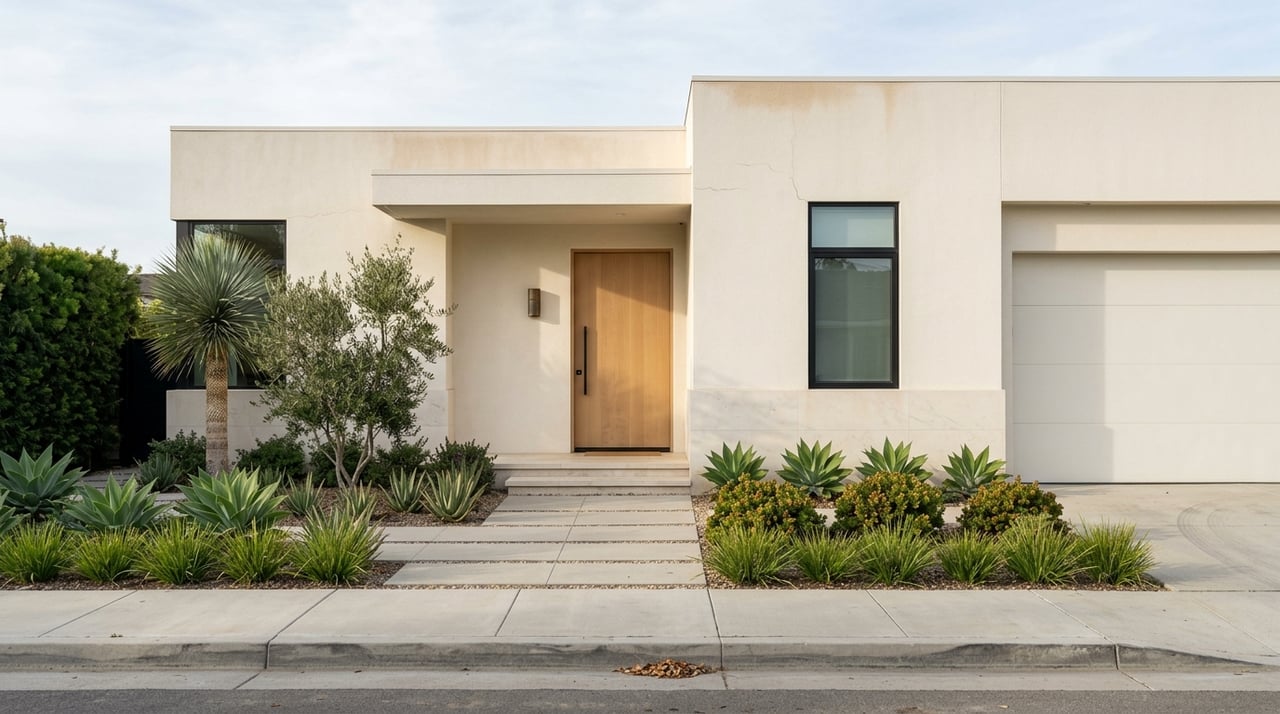
Trying to choose between Carmel Valley and Del Mar? If you are relocating, moving up, or simply refining your San Diego search, this is one of the most important North County decisions you can make. Both communities offer strong amenities and desirable locations, but they live very differently day to day. This guide will help you compare scale, housing, lifestyle, and access so you can narrow in on the fit that matches your priorities. Let’s dive in.
Carmel Valley vs Del Mar at a Glance
At the highest level, Carmel Valley and Del Mar offer two distinct versions of North County living. Carmel Valley is a larger San Diego community planning area along the Interstate 5 corridor, while Del Mar is a small incorporated coastal city.
That difference shapes almost everything else. Carmel Valley is newer, more mixed-use, and more routine-friendly for daily errands and commuting. Del Mar is smaller, more coast-centered, and defined by its village setting and immediate beach access.
Community Scale Feels Very Different
Carmel Valley is built for a broader range of daily needs within one community. The City of San Diego describes it as a master-planned area with offices, hotels, restaurants, shopping, parks, open space, and trail access. The first homes were built in 1983, which gives much of the area a newer planned-community feel.
In 2022 SANDAG estimates, Carmel Valley had 35,194 residents and 14,418 housing units. That larger scale often translates into more choices for housing type, shopping, and recreation.
Del Mar is much smaller in both land area and population. The city describes itself as about 2.2 square miles with roughly 4,200 people, and Census profile data lists 3,954 residents and 2,550 housing units.
The city also describes Del Mar as primarily single-family neighborhoods with downtown retail, a small commercial area, hotels, and a coastal village identity. If you want a compact setting with a strong connection to the ocean, Del Mar naturally stands out.
Housing Options in Carmel Valley
If housing variety matters to you, Carmel Valley has a clear advantage. SANDAG data for the planning area shows 6,682 single-family detached units, 1,162 attached units, and 6,574 multi-family units.
That means roughly 45.6 percent of Carmel Valley housing units are multi-family. In practical terms, you are more likely to find a wider mix of condos, townhomes, apartments, and detached homes here than in a smaller coastal village setting.
For buyers who want flexibility, that can be a major plus. It may open the door to more price points, different maintenance levels, and easier transitions between a first move, a move-up purchase, or a lock-and-leave style home.
Housing Profile in Del Mar
Del Mar still includes more than one housing type, but its inventory is more limited and more concentrated. The city’s housing element materials show a stock anchored by single-family homes, with 48.2 percent detached homes and 19.8 percent attached homes in the 2019 ACS profile.
The same profile also notes that 24 percent of occupied units are in buildings with 10 or more apartments. So Del Mar is not purely low-density, but it does not offer the same broad spread of product types across the community that Carmel Valley does.
This matters when you are trying to match lifestyle with inventory. In Del Mar, your search may be shaped more by scarcity and location. In Carmel Valley, your search may be shaped more by choice and day-to-day practicality.
Price Gap Is Significant
Price is one of the clearest dividing lines between these two markets. In March 2026, Redfin reported a median sale price of $1.7 million in Carmel Valley and $4.3 million in Del Mar.
These numbers are not perfectly apples to apples because Carmel Valley is a neighborhood and Del Mar is a city. Still, they show a very clear difference in price tier. If you are comparing the two, Del Mar generally requires a much higher budget.
That pricing gap often reflects more than just square footage. It also reflects Del Mar’s coastal location, smaller land base, and limited supply.
Why Del Mar Commands a Premium
Del Mar’s value story is closely tied to scarcity. The city states that it is the smallest incorporated jurisdiction in San Diego County by land area, population, and housing units.
Its housing element materials also note a 2021 to 2029 RHNA allocation of 163 units, and the city reports that by January 1, 2025 it had already approved permits for 204 net-new housing units. Even with ongoing housing planning, the overall supply remains limited and selective.
The city also notes that its short-term rental ordinance was certified by the California Coastal Commission in February 2026. Along with ongoing housing and zoning implementation, that points to a more regulated environment where housing supply and use are closely managed.
Daily Life in Del Mar
If your ideal day starts with the coast, Del Mar is hard to ignore. The city highlights more than two miles of sandy beach, along with Powerhouse Park, Seagrove Park, North Beach dog beach, Crest Canyon trails, Scripps Bluff Preserve, and the San Dieguito Lagoon trail.
The Del Mar Village area functions as the community’s retail and dining core. That gives Del Mar a walkable village identity centered around coastal scenery, small-scale shopping, and beach-oriented recreation.
For many buyers, this is the main draw. You are not just buying a home. You are choosing a lifestyle built around beach access and a compact coastal setting.
Daily Life in Carmel Valley
Carmel Valley offers a different kind of convenience. Instead of leading with the beach, it tends to lead with everyday functionality, neighborhood amenities, and access to parks and trails.
The City of San Diego describes Carmel Valley as having neighborhood parks, a recreation center, open space with hiking and equestrian trails, and a retail pattern centered around Del Mar Highlands Shopping Center. The Carmel Valley Recreation Center opened in 1999, and the Carmel Valley Library has been open since 1993.
One Paseo also serves as an important nearby dining and shopping hub between Carmel Valley and Del Mar, just north of SR-56 and near Interstate 5. For many residents, that creates a convenient rhythm for errands, dining, and meeting friends without needing to live right on the coast.
Beach Access or Everyday Convenience?
This is often the real question behind the search. If you want immediate beach access, village atmosphere, and a more exclusive coastal setting, Del Mar is the stronger fit.
If you want a wider housing mix, more built-in daily amenities, and a suburban pattern that supports errands and routine, Carmel Valley usually makes more sense. Neither is better in every case. The right answer depends on how you want your week to feel, not just your weekends.
Commuting and Getting Around
Carmel Valley is the more freeway-oriented option. The City of San Diego places it along the Interstate 5 corridor, and much of its retail and employment access is tied to that pattern.
For buyers who need to move efficiently through office and tech corridors, that can be a practical advantage. It often suits people who value direct road access as part of their daily routine.
Del Mar is more coastal and street-grid oriented, but it also benefits from regional transit options. NCTD’s Breeze Route 101 serves Del Mar and connects through Oceanside, Carlsbad, Encinitas, Solana Beach, and San Diego, while the COASTER runs between Oceanside and downtown San Diego.
That means Del Mar can appeal to buyers who want coast proximity and appreciate rail-adjacent travel options, even if freeway convenience is not the top priority.
Which North County Hub Fits You?
Carmel Valley may fit you better if you want:
- More housing variety
- A larger, master-planned community feel
- Easy access to shopping and daily services
- Parks, recreation, and trail access built into the neighborhood pattern
- Faster alignment with freeway-oriented commuting
Del Mar may fit you better if you want:
- Immediate proximity to the beach
- A smaller coastal city setting
- A village-style retail and dining core
- Scarcity-driven real estate in a higher price tier
- A lifestyle centered more on the coast than on suburban convenience
For many relocating buyers and move-up households, this choice comes down to one core tradeoff. Carmel Valley tends to offer more flexibility and routine-friendly convenience, while Del Mar tends to offer more coastal exclusivity and a tighter supply of homes.
A smart search starts with your actual priorities, not just a map. If you want help comparing opportunities in both communities and narrowing down the right fit for your budget, lifestyle, and timeline, connect with San Diego's Favorite Team.
FAQs
Is Carmel Valley or Del Mar closer to the beach?
- Del Mar is much closer to the beach, with more than two miles of sandy coastline and several coastal parks and trails, while Carmel Valley is inland.
Does Carmel Valley or Del Mar have more housing variety?
- Carmel Valley has more housing variety based on SANDAG planning-area data showing a broad mix of detached, attached, and multi-family units.
Is Del Mar more expensive than Carmel Valley?
- Yes. March 2026 market data reported a median sale price of $4.3 million in Del Mar compared with $1.7 million in Carmel Valley.
Is Carmel Valley better for commuting in North County?
- Carmel Valley generally offers a more freeway-oriented setup along the Interstate 5 corridor, which can be helpful if road access is a top priority.
Does Del Mar have public transit options for regional travel?
- Yes. Del Mar is served by NCTD Breeze Route 101, and the COASTER provides commuter rail service between Oceanside and downtown San Diego.
What lifestyle difference should buyers expect between Carmel Valley and Del Mar?
- Carmel Valley tends to offer a more routine-friendly suburban pattern with parks, trails, and shopping, while Del Mar offers a smaller coastal village feel with direct beach access and stronger scarcity.