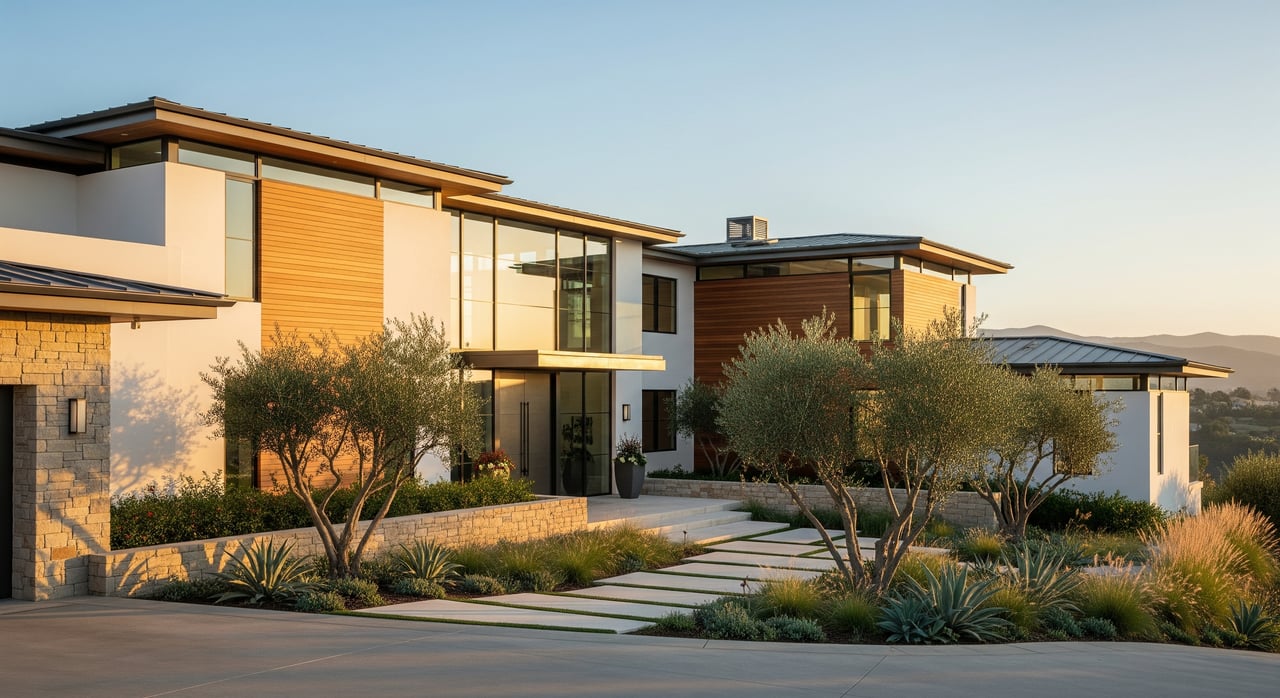
Torn between a brand-new home and a well-loved resale in Carmel Valley? You are not alone. Families here juggle budget, timing, schools, and lifestyle when weighing this choice. In this guide, you will learn how to compare true monthly costs, timelines, inspections, and neighborhood fit so you can move forward with clarity. Let’s dive in.
Carmel Valley at a glance
Carmel Valley in northern coastal San Diego blends newer master-planned communities with established resale homes. You will find detached single-family homes from the 1990s to 2010s, plus townhomes and some newer infill builds. Local market trackers consistently show prices above the San Diego County median, with values varying by sub-neighborhood and lot size. Many families choose the area for parks, trails, commute access, and school district reputation.
Cost comparison that actually helps
Before you fall in love with a floor plan, build an apples-to-apples monthly budget. A clear view of your total carrying cost often makes the decision easy.
Purchase price and price per foot
New construction often carries a premium for modern layouts, energy-efficient systems, and new-condition finishes. Resale can come in lower on a price-per-square-foot basis, but not always. Renovated resales or larger lots can close the gap or exceed new-build pricing. Compare true comps within the same submarket and adjust for usable square footage, lot size, and included upgrades.
Mello-Roos and special taxes
Many newer San Diego communities, including parts of Carmel Valley, have Community Facilities District taxes, often called Mello-Roos. These are annual charges in addition to your base property tax and can last for decades. They can add hundreds to thousands per year, so request the current tax bill and CFD disclosure to confirm the amount and remaining term. Even a great price can feel different once you plug in the special tax.
HOA dues and what they cover
Most sub-neighborhoods and condo or townhome communities in Carmel Valley have HOA dues. Fees vary widely, from modest amounts for smaller associations to higher dues for communities with pools and extensive landscaping. HOAs influence both your budget and daily life, from architectural rules to common-area upkeep. Review CC&Rs, recent meeting minutes, reserve studies, and any special assessments.
Property tax basics in California
In San Diego County, base property tax is roughly 1 percent of assessed value plus local voter-approved assessments. New construction is typically assessed at the purchase price. For resales, the assessment usually transfers and then resets at sale under Prop 13 rules. Verify the assessed value with the county and remember to add any Mello-Roos and local assessments for a full picture.
Builder incentives and upgrade costs
Builder incentives come and go. You might see closing cost credits, interest rate buydowns, or included options. Upgrades and lot premiums can add up quickly, and items like backyard landscaping, window coverings, and fencing are often extra. When you compare a builder’s base price to a resale, include the cost of options that match your needs.
Monthly cost checklist
Use this quick list to estimate a true monthly number for each home on your shortlist:
- Principal and interest at a comparable interest rate
- Property tax at assessed value
- Mello-Roos or other special taxes
- HOA dues
- Homeowner’s insurance
- Utilities and solar status
- Maintenance and reserves, including yard or pool service if relevant
Timelines, move planning, and risk
Your timing needs can point you toward the right fit before you ever step inside a home.
Typical resale timelines
Most resale purchases close in about 30 to 45 days after offer acceptance, depending on financing and inspections. You will have standard contingencies for inspection, appraisal, and loan. Repairs or credits can be negotiated if inspections reveal issues.
New construction timing
- Spec or quick-move-in inventory: Often similar to resale timelines once the home is complete.
- Built-to-order: Several months to a year or more depending on builder schedules, options, and potential supply chain or labor variables.
If school calendar timing matters, build in a cushion. Consider short-term housing if you pick a to-be-built home with a flexible completion date.
Common risks to watch
- New construction: Potential delays, change orders that increase cost, rate lock timing, and rare builder financial issues. Confirm your completion date language, allowable inspections, and warranty remedies in writing.
- Resale: Repair negotiations, title or permit questions, and move-out coordination. Good due diligence reduces surprises.
Inspections, disclosures, and warranties
How you discover issues and how they are fixed differs between new and resale.
Resale inspection scope
Most buyers order a general home inspection, a termite or pest inspection, and specialized checks as needed for roof, chimney, pool, or moisture. California requires sellers to disclose known defects and natural hazards. Inspection findings can become a basis for repair requests or credits.
New construction inspection scope
Builders perform their own quality checks, and you will usually have a final walk-through to create a punch list. Many buyers also hire independent inspectors for a pre-drywall visit and a pre-close inspection if the contract allows. City and county permit inspections confirm code compliance, but they are not a substitute for a buyer-focused inspection.
Warranties and remedies
New homes typically include a written warranty package. Many builders offer coverage such as one year for workmanship and materials, two years for systems, and ten years for major structural items. Read the specific warranty, required maintenance steps, and claim process. Resale homes do not come with a builder warranty, though some sellers provide a one-year home warranty plan as part of negotiations. Understand limitations and document issues early.
Neighborhood fit and daily life
Home is more than the structure. In Carmel Valley, neighborhood maturity and future development can matter as much as finishes.
Mature vs developing areas
- Mature areas: Established landscaping, finished parks and retail, stable traffic patterns, and known school assignments.
- Developing areas: Ongoing construction, new parks and amenities coming online in phases, and evolving traffic and density.
If you prefer quiet streets and fully built amenities on day one, resale in a mature pocket may suit you. If you enjoy modern design and do not mind some nearby construction, a new-build area can be a great match.
Schools, parks, and services
Carmel Valley is served by public school districts with strong reputations. Because boundaries can change, always verify current assignments and enrollment policies directly with the district. Compare parks and open space access, retail and childcare convenience, and typical commute times. Newer phases may require a longer drive for certain services until build-out is complete.
Future development and resale impact
Nearby planned projects can influence traffic, noise, and long-term value. Review city planning resources and ask about additional housing or commercial nodes in the pipeline. For HOA communities, request budgets and reserve studies to understand whether special assessments are likely.
Decision checklist and simple scenarios
Here is a practical way to weigh what matters most for your household. Score each item from 1 to 5 for importance, then compare how well each home option delivers on your top priorities.
- Time to move and school calendar sensitivity
- Total monthly cost, including Mello-Roos and HOA
- Desire for customization and modern systems
- Tolerance for construction delays or nearby building activity
- Need for completed amenities and established routines
- Preference for mature landscaping or low-maintenance new yards
- Importance of warranty protection vs. price negotiation flexibility
If/then scenarios
- If you need to move soon with minimal surprises, consider a resale in good condition or a finished inventory home.
- If open-plan living, energy efficiency, and customization matter most, and you can accept timeline risk, new construction may fit.
- If budget is tight and you want a quiet, fully built neighborhood, look to resale in an established sub-neighborhood.
- If school certainty and established peer networks matter, favor mature areas with confirmed boundaries.
Key questions to ask
- What are the exact annual property taxes, Mello-Roos amounts, and HOA dues? Ask for the current tax bill and HOA financials.
- For resale: What known repairs or deferred maintenance exist, and were renovations permitted? Review seller disclosures and permit history.
- For new: What inspections are allowed for buyers, what is the completion schedule, and what remedies exist for delays? Request the builder’s written warranty and references for local projects.
- For both: What are utility costs, solar status, and insurance estimates for the property and neighborhood?
How we help you decide
This decision is part numbers, part lifestyle. You deserve both. Our team pairs hospitality with analytics to map total monthly costs, verify Mello-Roos, HOA, and tax details, and align timing with school and work needs. We help you compare apples-to-apples across Carmel Valley’s new builds and resales, then negotiate the right outcome once you choose your path.
Ready for a calm, data-backed plan to your next home in Carmel Valley? Connect with San Diego's Favorite Team for a tailored consultation and a clear next step.
FAQs
What is Mello-Roos in Carmel Valley and why does it matter?
- Mello-Roos is a special tax used to fund local infrastructure in many newer communities, and it is paid in addition to base property taxes, which can significantly change your monthly housing cost.
How do California property taxes differ for new construction vs resale?
- New construction is typically assessed at the purchase price, while resales reset at sale under Prop 13 rules, so confirm the assessed value and add any local assessments to compare true costs.
How long does a new construction purchase take in Carmel Valley?
- A finished inventory home can close on a resale-like timeline, while a built-to-order home may take several months to a year or more depending on builder schedules and supply factors.
What inspections should I get for a resale home in Carmel Valley?
- Plan for a general home inspection plus termite or pest, then add specialists as needed for roof, pool, chimney, moisture, or foundation based on the property.
Are builder warranties standard for new homes in California?
- Most builders provide written warranties that commonly include one-year workmanship, two-year systems, and longer structural coverage, but terms vary, so review the document and claim process carefully.
How do HOAs affect costs and lifestyle in Carmel Valley communities?
- HOA dues fund common-area maintenance and amenities and may include rules about exterior changes; the fees and policies can impact both your monthly budget and daily living experience.